Can IV Therapy Help With Immunity During Cold & Flu Season?
When temperatures drop and sniffles start echoing through offices, schools, and homes, everyone asks the same question: how do I avoid getting sick this year? That’s where the conversation around IV therapy for immunity during cold and flu season begins. If you’ve seen hydration lounges popping up everywhere or heard friends rave about vitamin drips, you’re not alone.
In this article— Can IV Therapy Help With Immunity During Cold & Flu Season?— we’ll break down what IV therapy actually does, how it may support your immune system, and whether it’s worth considering when cold and flu season hits hard.
Let’s dive in.
What Is IV Therapy, Really?
IV (intravenous) therapy delivers fluids, vitamins, and minerals directly into your bloodstream through a small catheter. No detours. No digestion delays. Just straight-to-the-point nutrient delivery.
Instead of swallowing a vitamin C tablet and hoping your body absorbs it efficiently, IV therapy bypasses the digestive system entirely. That means higher absorption rates and faster action.
Think of it like watering a plant at its roots instead of misting the leaves. Direct access matters.
How the Immune System Fights Cold & Flu
Your immune system operates like a 24/7 security team. It identifies intruders (viruses like influenza or rhinoviruses) and deploys white blood cells to neutralize them.
According to the Centers for Disease Control and Prevention, flu viruses circulate heavily in fall and winter months, putting extra strain on immune defenses. You can explore more about seasonal illness trends directly from the CDC here.
When your body lacks essential nutrients, that security team doesn’t perform at its best. That’s where targeted nutrient therapy comes into play.
Why Nutrient Levels Matter During Cold & Flu Season
Your immune cells require vitamins and minerals to function efficiently. Deficiencies can slow response time and reduce effectiveness.
Vitamin C and Immune Function
Vitamin C supports white blood cell production and helps combat oxidative stress. During infections, your body burns through vitamin C faster than usual.
Zinc’s Role in Immune Defense
Zinc assists immune cell communication and inflammatory regulation. Low levels? Slower recovery.
Hydration and Immunity
Even mild dehydration can impair immune efficiency. Fluids maintain circulation and allow nutrients to reach tissues quickly.
IV therapy combines hydration with immune-supporting nutrients in one session.
How IV Therapy May Support Immunity
Let’s be clear: IV therapy doesn’t magically prevent illness. It doesn’t replace vaccines or medical treatment. But it may help support immune function in meaningful ways.
Rapid Nutrient Absorption
Oral supplements lose potency during digestion. IV delivery ensures nearly 100% bioavailability.
Higher Therapeutic Doses
IV infusions can safely deliver higher doses of vitamin C than oral forms without gastrointestinal discomfort.
Faster Replenishment
Feeling run-down? IV therapy can help replenish fluids and nutrients quickly, often within 30–60 minutes.
Popular Immune-Support IV Ingredients
Different clinics offer different formulations, but common ingredients include:
Vitamin C
Supports antioxidant defense and immune cell performance.
B-Complex Vitamins
Enhance energy metabolism and stress resilience.
Zinc
Supports immune response regulation.
Glutathione
Often called the “master antioxidant,” it helps reduce oxidative stress.
Magnesium
Supports muscle function and overall recovery.
Can IV Therapy Prevent Colds or Flu?
This is the big question.
There’s no definitive evidence that IV therapy alone prevents viral infections. However, optimal nutrient status supports immune readiness. Think of IV therapy as strengthening the defense system—not building an impenetrable wall.
It’s about resilience, not invincibility.
Who May Benefit Most From IV Immune Support?
Busy Professionals
Stress and lack of sleep weaken immunity.
Frequent Travelers
Airports and planes expose you to circulating viruses.
Athletes
Intense training temporarily suppresses immune function.
People Feeling Run-Down
Fatigue often signals nutrient depletion.
If you fall into one of these categories, IV immune support might give you an edge.
Timing Matters: When Should You Get an IV Drip?
Before Symptoms Appear
Preventative support during peak season.
At the First Sign of Illness
Some people schedule a drip at the first tickle in their throat.
During Recovery
Rehydration and nutrient replenishment may help you bounce back faster.
Is IV Therapy Safe?
When administered by trained professionals, IV therapy is generally safe. Minor risks include bruising or mild discomfort at the injection site.
Always disclose medical conditions and medications beforehand. If you have kidney disease or certain heart conditions, consult your healthcare provider first.
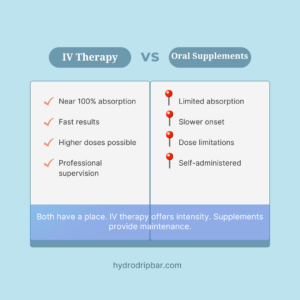
IV Therapy vs. Oral Supplements
Let’s compare:
What Science Says About Vitamin C IV
Some studies suggest high-dose IV vitamin C may reduce symptom duration in certain viral illnesses. However, more large-scale trials are needed.
The takeaway? Promising—but not definitive.
Cost Considerations
IV therapy costs vary depending on formulation and location. While it isn’t typically covered by insurance for wellness purposes, many people view it as a proactive health investment.
IV therapy costs vary depending on formulation and location
While it isn’t typically covered by insurance for wellness purposes, many people view it as a proactive health investment.
You’ll sit comfortably in a recliner. A trained professional inserts a small catheter. The infusion takes about 30–60 minutes. Many people read, scroll their phones, or relax.
It’s surprisingly low-key.
Integrating IV Therapy Into a Broader Immune Strategy
IV therapy works best when combined with:
Adequate sleep
Balanced nutrition
Regular exercise
Flu vaccination
Stress management
It complements—not replaces—healthy habits.
Signs Your Body Might Need Extra Immune Support
Frequent colds
Lingering fatigue
Slow recovery
High stress
Dehydration
Your body whispers before it screams. Listen early.
The Psychological Boost
There’s something empowering about taking proactive steps. When you feel supported, you act differently. Confidence influences consistency.
And consistency builds resilience.
Final Thoughts: Is IV Therapy Worth It During Cold & Flu Season?
So, can IV therapy help with immunity during cold and flu season?
Yes—potentially. It can replenish key nutrients quickly, support hydration, and strengthen immune readiness. But it doesn’t replace vaccines, medical care, or healthy habits. Think of it as reinforcing your immune army before battle.
Take proactive steps this season
Cold and flu season doesn’t have to catch you off guard. Strengthen your foundation, stay consistent, and give your body the tools it needs to defend itself.
1. How often should I get IV therapy for immune support?
Many people choose once or twice per month during peak cold and flu season, but frequency depends on individual health needs.
2. Does IV therapy hurt?
Most people feel only a small pinch during insertion. After that, it’s typically comfortable.
3. Can IV therapy replace the flu vaccine?
No. IV therapy supports immune health but does not replace vaccination.
4. How quickly will I feel results?
Some people feel more energized within hours. Immune effects vary depending on nutrient status.
5. Are there side effects?
Side effects are rare but may include minor bruising or lightheadedness. Always consult a healthcare professional if unsure.
If you’re serious about staying strong this cold and flu season, don’t wait until symptoms hit. Support your immune system proactively—and give yourself every advantage.